


Exploring the Cultural Essence of Vietnamese Phở and Chinese 過橋米線 Through the Lens of Fleeting Relationships
- Ann Cheng
- Dec 8, 2025
- 4 min read

Food often tells stories beyond taste and texture. It reflects history, culture, and even emotions. Vietnamese Phở and Chinese 過橋米線 (Guòqiáo mǐxiàn), two beloved noodle dishes from neighboring countries, offer more than just nourishment. They carry unique cultural meanings and flavors that invite us to think about the nature of fleeting connections, like a one-night stand. This post explores the essence of these dishes, their ingredients, preparation, and the metaphorical ties they share with transient relationships.
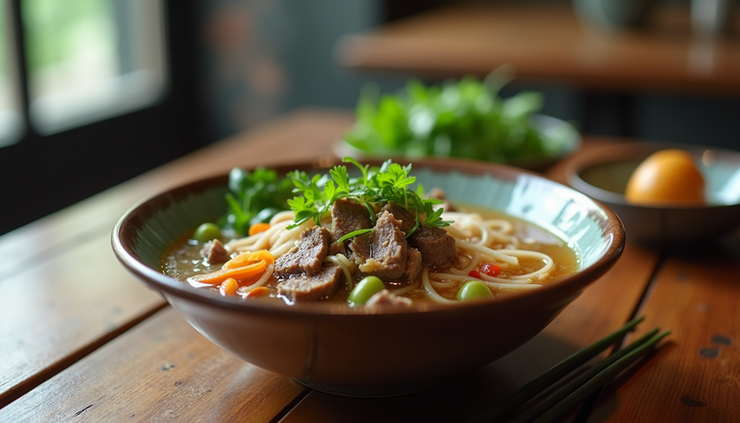
The Heart of Vietnamese Phở
Phở is Vietnam’s iconic noodle soup, recognized worldwide for its fragrant broth and delicate balance of flavors. It originated in the early 20th century in northern Vietnam and quickly became a national comfort food. The dish consists of flat rice noodles, thinly sliced beef or chicken, and a clear, aromatic broth simmered for hours with spices like star anise, cinnamon, cloves, and cardamom.
Phở’s cultural significance goes beyond its ingredients. It represents warmth, family, and tradition. Many Vietnamese start their day with a bowl of Phở, often enjoyed at street stalls or family-run restaurants. The careful preparation of the broth, which can take up to 12 hours, reflects patience and dedication.
Ingredients and Preparation
Broth: Beef bones simmered with charred onion, ginger, and spices for a rich, clear stock.
Noodles: Flat rice noodles, soft but firm.
Protein: Thin slices of raw beef (cooked by the hot broth) or chicken.
Herbs and Garnishes: Fresh basil, cilantro, lime, bean sprouts, and chili slices.
Condiments: Hoisin sauce and Sriracha for added flavor.
The broth’s clarity and depth come from slow cooking and skimming impurities, showing respect for the craft. The fresh herbs and lime add brightness, balancing the savory broth.
The Unique Charm of Chinese 過橋米線
過橋米線, or "Crossing the Bridge Rice Noodles," hails from Yunnan province in China. The dish has a fascinating origin story: a scholar’s wife would bring him a hot soup with separate ingredients to keep them fresh during his studies. When combined, the ingredients cooked in the hot broth, symbolizing care and warmth.
This dish features a bowl of boiling hot broth served separately from raw ingredients like thinly sliced meats, vegetables, and rice noodles. Diners add the ingredients themselves, cooking them in the broth at the table. This interactive experience makes the meal feel personal and intimate.
Ingredients and Preparation
Broth: Rich chicken or pork broth, often with a layer of hot oil on top to keep it warm.
Noodles: Thin rice noodles, softer than Phở’s flat noodles.
Ingredients: Thin slices of raw meat, quail eggs, mushrooms, tofu, and various vegetables.
Serving Style: Ingredients served separately; diners add them to the hot broth to cook.
The hot oil layer on the broth is a unique feature that preserves heat and flavor. The act of adding ingredients at the table creates a connection between the diner and the food, emphasizing freshness and participation.
Comparing Ingredients and Preparation
| Aspect | Vietnamese Phở | Chinese 過橋米線 |
|----------------------|--------------------------------------|----------------------------------------|
| Broth | Clear beef or chicken broth simmered with spices | Rich chicken or pork broth with hot oil layer |
| Noodles | Flat rice noodles | Thin rice noodles |
| Protein | Thinly sliced raw beef or chicken | Thinly sliced raw meats, quail eggs |
| Vegetables & Herbs | Fresh basil, cilantro, bean sprouts, lime | Mushrooms, tofu, various vegetables |
| Preparation Style | Broth and noodles served together, beef cooked in broth | Broth served separately; ingredients added by diner |
| Cultural Symbolism | Tradition, warmth, family | Care, freshness, interaction |
Both dishes highlight fresh ingredients and a delicate balance of flavors. Phở leans on slow, careful broth preparation, while 過橋米線 emphasizes freshness and the diner’s role in cooking.
Food as a Metaphor for Fleeting Relationships
Both Phở and 過橋米線 can serve as metaphors for fleeting relationships, such as a one-night stand. These connections are intense, flavorful, and brief, much like the experience of enjoying these dishes.
Phở’s slow-cooked broth mirrors the depth and complexity of emotions that develop over time, even in short encounters. The broth’s warmth and richness evoke comfort and intimacy, but the meal is often consumed quickly, reflecting the transient nature of some relationships.
過橋米線’s interactive preparation symbolizes the immediacy and excitement of a brief connection. The diner adds ingredients and watches them cook in real time, much like two people coming together for a moment of shared experience before parting ways.
Both dishes highlight the balance between warmth and impermanence. The fresh herbs and raw ingredients represent the fleeting freshness of new encounters, while the hot broth symbolizes passion and intensity.
Reflecting on Food and Emotions
Food connects us to memories, culture, and feelings. Vietnamese Phở and Chinese 過橋米線 invite us to savor not only their flavors but also the emotions they evoke. They remind us that some experiences, like certain relationships, are meant to be enjoyed fully in the moment, even if they do not last.
Next time you enjoy a bowl of Phở or 過橋米線, consider the stories behind the dish and the emotions they stir. These meals are more than just food; they are brief yet meaningful connections that nourish both body and soul.


Comments